

Pros and Cons of FHA Loans
Posted by Ben Puchalski on

The pros and cons of the Federal Housing Administration (FHA) loan.
At times homebuying can get overwhelming, especially when it comes to loans. We’re here to make things easier for you by sharing the pros and cons of FHA loans.
FHA loans are government insured loans from the Federal Housing Administration. This means FHA guarantees your loan but doesn’t actually lend out the money. When you take out loans, they need to be with FHA approved lenders. Some benefits of FHA loans include less down payment required, more forgiving debt to income ratio and less restrictions on bankruptcy and foreclosure.
One of the main advantages of an FHA loan is that a very large down payment is unnecessary. Loans can be as low as 3.5 percent, which is great for…
2004 Views, 0 Comments

 he Down Payment Assistance Program. You may have even heard of first-time home buyer tax benefits in the past, but they have not been renewed or implemented for years.
 Many buyers think that an FHA loan should only be used as a last resort. Indeed, more often than not conventional loans are the way to go over FHA (which stands for Federal Housing Administration) loans. However, if you’re only able to put 3% or 3.5% cash down on a property, an FHA loan could make more sense for you. Home prices in the DC area have skyrocketed in the last few years, and with that comes more difficulty on the part of buyers to put a greater percentage down on a property. What exactly are the pro’s and con’s of FHA loans? Well, that’s exactly what we’re here to tell you:
 Are you a teacher in Washington, DC? We understand that buying property can seem daunting for a number of reasons, including cost, but there are a few loan programs that can help. One is the Employer-Assisted Housing Program, or EAHP. This helps full-time DC Government employees become first-time homeowners within the District. You must have a good credit rating and enough income to afford a mortgage loan. If you are deemed eligible, you will receive matching closing cost funds up to $1,500 ($500 for each $2,500 saved by an employee) and a deferred second trust loan up to $10,000. Applicants are allowed to select a first trust lender of their choice. The maximum loan amount for the EAHP is $625,500. A second program that we recommend is the Home Purchase…
 Title insurance is one of the least understood components of the real estate process. What exactly does it do, you may ask? To put it simply, title insurance protects lenders and owners against unforeseen problems with titles and mortgage liens. There can be hidden defects in a title that not even the most experience settlement agent will catch. A lender’s policy is required by every public mortgage lender and protects for the amount of the loan. This does not cover buyers, who must purchase their own policy to be covered.
 Are you worried about the cost of a down payment on buying a property in Washington, DC? Well, there is a new initiative called the DC Open Doors Program that could be a huge help. It is open to anyone with a total income of less than $123,295, and all District neighborhoods are in play. DC realizes that the housing market has skyrocketed and the cost of making a down payment has become out of reach for many of those with a decent income. While DC Open Doors can help lower income buyers, it is just as geared towards helping middle income buyers with their down payments for FHA (Federal Housing Administration) loans. In addition to the salary cap, you must also have a credit score of 640 or above and not currently own a property, although it is not just…
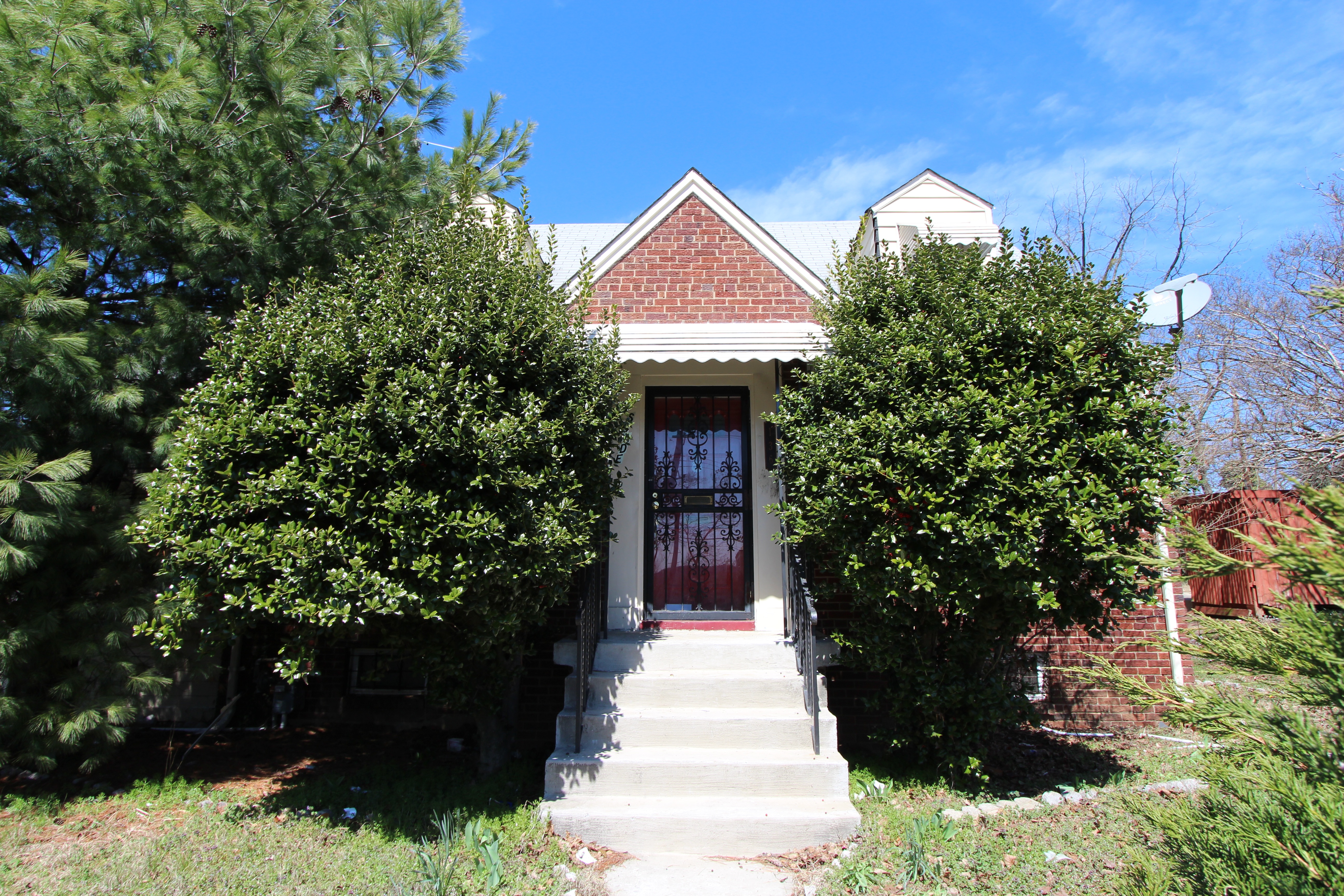 “What is a short sale?” Well, we’re glad you asked. First off, it is NOT a foreclosure. A short sale is different from a foreclosure in that the owner is still controlling the sale, not the bank. The seller is putting their home up for less than they owe on their mortgage. The process can take awhile, but it can be an asset both to buyers and sellers in certain situations. Real bargains can be found in short sales for buyers, and sellers can minimize their losses on a property without foreclosing. We are committed to helping both buyers and sellers with the short sale process. We have experience with short sales, which is extremely important in getting through it all smoothly. We also know and can recommend real estate attorneys and title experts who are…